When the unexpected strikes, the difference between uncertainty and confidence often comes down to preparation—especially for older adults. Emergencies such as severe storms, electrical grid failures, or natural disasters can quickly disrupt daily routines, limit access to essential services, and leave seniors particularly vulnerable. That’s why having a clear, practical emergency prepping plan for seniors isn’t just wise—it’s empowering.
Whether you live independently, with family, or in a retirement community, planning ahead ensures you can stay safe, comfortable, and self-sufficient when the power goes out, roads close, or help takes longer than expected to arrive. In this guide, we’ll walk through realistic steps, smart supplies, and thoughtful strategies tailored specifically for seniors and their caregivers.
Before we dive in, here’s an important question to consider: Are you prepared to bug-in for a 2 to 4 week power outage scenario?
Having a 30 day emergency prepping plan for seniors isn’t about fear—it’s about confidence, comfort, and control, especially for older adults. We hope to walk you through simple, practical steps that help you stay safe and ready for weather-related events and short-term emergencies.
Below you’ll find advice on storing food and medicines, safety issues, choosing the right clothing, and deciding whether to bug-in or bug-out, and more. Let’s take this step by step so prepping feels manageable and empowering, and not overwhelming.
What Constitutes An Emergency?
There are 2 kinds of emergencies. A personal emergency that affects you and your immediate family. This would be an emergency, such as Medical, Financial, Safety Emergencies, Transportation, Family or Caregiving Emergencies, and what they all have in common are:
- Urgency (requiring immediate action)
- Unexpectedness
- Potential harm to health, safety, stability, or essential needs
- Disruption of normal life
The other are on a more epic scale. These emergencies affect our community, county, state or even on a national level. The most prominent emergencies are weather events like a heat-wave, winter storm, hurricanes, heavy rains or windstorms typically causing major flooding, traffic impediments (snow), loss of power, etc. These can last hours, days or go on for weeks depending on severity. Next would be financial or economic. A great example would be the Stock Market crash of 1929, which threw us into Depression.
What would happen to millions of senior citizens, if disability and social security checks suddenly stopped coming for weeks or months? Let’s not even get into civil unrest. We see that happening now in Portland OR. What about another Covid type pandemic?
The list goes on, and it can get much worse, but what you can do to endure and get through an emergency is do your very best to prepare for it. It’s not hard. It’s not too expensive. And you can easily start preparing your Emergency Prepping Plan for Seniors now for almost any situation, TODAY-RIGHT NOW.
Why A Emergency Prepping Plan for Seniors Matters?
Emergencies like winter storms, heat waves, heavy rainfall or flooding, power outages, and supply disruptions can happen fast. For seniors, these events can pose extra challenges—mobility, medication needs, and environmental sensitivity are all real concerns. Having a simple emergency prepping plan for seniors in place ensures you and your immediate family can stay safe, comfortable, and connected during an emergency.
For most of us, any emergency we experience will be a short duration, say 48-96 hours. This emergency is typically a weather-related power outage due to a heat-wave, winter storm, or severe rain & winds. Often roads are cleared and power restored in a matter of hours, but sometimes an emergency can last for days or even weeks, keeping you isolated from any help and assistance. You need to be prepared!
Should You Reveal That You Prep?
Let’s start this off with the question: “Should I tell people I am a prepper? The answer is almost always “No!” I recommend that for your safety, you do not.
Here is why? As a senior person, you are an easy target for most people. For all the preparations you’ve made for emergencies, they have not. Everyone who knows you prep will come to you for safety & security (you own firearms), food (they don’t have an emergency supply), and medical aid (you have medical supplies stored). For their ignorance or laziness, they will now depend on you to provide for them or possibly steal or loot from you. Either way, they will become a drain and a burden on your scarce resources that you need to conserve.
On the other hand, maybe you have a 2-year hoard of supplies, and it’s a month-long emergency, and you can assist your immediate neighbors. Maybe you belong to a prepper community, be it your neighborhood cul-de-sac or a remote property with 20-30 families invested in it, everyone in this group should be contributing community resources and providing value to the group, such as carpentry & plumbing, vehicle maintenance, gardening skills, a nurse or physician, etc, then by all means, talk among yourselves.
Hopefully, you communicate with your less fortunate neighbor(s) or prepper team regularly to discuss your emergency prepping plan for seniors options, resources, needs, and are capable of enduring any emergency together (using mutual aid) with some level of comfort.
Include Pets, Service Animals, And Livestock In Emergency Prepping Plan for Seniors.
Let’s face it, pets are family, and you need to prepare for their care too. They help provide security, possibly service needs, and comfort to us daily. Most of us know that a purring cat in our lap can turn a stressful day into a nice, peaceful, and serene evening right? Pets and their health and well-being are important to them and to us.
- Pack sufficient pet foods, water, medications, and vaccination records.
- Add a pet emergency contact.
- Confirm which shelters accept animals.
As for livestock, they provide eggs, milk, and meat for food. It’s important in your Emergency Prepping Plan for Seniors that you include the resources to feed, water and shelter them adequately, as your survival may depend on them. Do not ignore your animals in any emergency
7 Impressive Health Benefits of Aged Garlic for Senior Citizens
Does Geography & Weather Matter In A Emergency Prepping Plan for Seniors?
This is the perfect place to start talking about prepping. Whether you’re building a 72 hour emergency kit to carry in the trunk of your car or stockpiling months of food & ammo for the long term, your location is going to determine your mobility, how you prepare, and what items you need and how you’re going to store them long-term.
Geography and weather matter hugely for emergency prepping because where you live will determine the risks you face, the supplies you need, and how you should prepare. A good plan in Arizona or Florida looks very different from a good plan in Montana.
Emergency Prepping Plan for Seniors: Why Geography Matters
Geography determines your likely disasters, and every region has its own threats. By understanding your regional threats, it’ll tell you what to stock, how to store it, and what to expect.
- Coastal areas: Hurricanes, storm surges, flooding, and long evacuation routes
- Mountain regions: Blizzards, landslides, long power outages, and limited winter access
- Western U.S.: Wildfires, extreme heat, earthquakes, smoke inhalation risks and water scarcity
- Northern climates: Extreme cold, frozen pipes, and long-term heating needs.
- Southern climates: Extreme heat, power grid strain, water spoilage and dehydration risks
Geography controls what supplies to include in your emergency prepping plan for seniors.
- Cold climates: You MUST prioritize: redundant heat sources, winter clothing & blankets, ice melt, snow tools, extra calories (cold burns energy), and backups for frozen pipes.
- Hot climates: You MUST focus on: water storage, hydration salts, shade/ventilation, backup cooling, and foods that won’t spoil in heat.
- Urban vs rural: Urban preppers need: contamination filters, compact storage, evacuation routes, cash on hand, and security considerations.
- Rural preppers need: fuel reserves, medical self-sufficiency, tools for repairs, and extra food (help may be far away).
As you can see, geography matters a lot, and you should be prepared for the area you live in.
Emergency Prepping Plan for Seniors: Why Weather Matters
A weather event is the most common recurring event that you will experience almost annually. Different emergencies require different types of preparation, but the basics stay the same.
- Winter Storms: Keep warm layers ready, even indoors. Have a backup heat source (safe for indoor use). Ensure your phone is fully charged before the storm hits.
- Heat Waves: Stock water and electrolyte drinks or powder. Use light, breathable clothing. Make a cooling “go bag” with a portable fan and cool packs.
- Power Outages: Flashlights instead of candles. Battery-powered phone charger. Pre-chilled water bottles in the freezer to help keep food cold.
- Heavy Rain & Flooding: Keep important documents in waterproof sleeves. Know if your area requires an evacuation route. Store items off the floor if you’re in a ground-level residence.
Weather is the most common emergency event you will experience and a good prepper with a emergency prepping plan for seniors will be prepared for any season.
Emergency Prepping Plan for Seniors: Why Storage Plans Matter
A well-designed prepper storage system is the backbone of any reliable emergency plan. The goal isn’t just to stockpile supplies—it’s to protect them, preserve them, and know exactly where everything is when you need it. The first step is choosing the right containers. Airtight bins, Mylar bags with oxygen absorbers, vacuum-sealed bags, and food-grade buckets all help extend shelf life by keeping out moisture, pests, and light. For long-term bulk foods such as rice, beans, oats, and flour, Mylar bags sealed inside sturdy buckets provide some of the best protection. For short-term rotation foods, clear plastic totes or stackable bins work well because you can easily see what’s inside and move them as needed.
Organization is equally important. A prep area should be arranged so that items are grouped by category—food, water, medical, hygiene, tools, lighting, and so on. Place the most frequently used or rotated supplies at the front, and bulk “deep storage” items toward the back. Shelving units can greatly increase usable space and keep hazards like water or pests away from your supplies. Organization also means creating a storage layout that’s convenient and safe: heavy items low, fragile items high, and food kept off concrete floors to avoid moisture transfer. A clean, dry space with good airflow will always help preserve supplies longer.
Labelling ties the entire system together. Every container should have a clearly written or printed label that includes the contents, the date of purchase or packaging, and the expiration or rotation date (if applicable). Using a simple color-coded system—for example, red labels for food, blue for water, green for medical—makes it even easier to find things quickly. For long-term food storage, track packing dates and rotate using the FIFO method (“first in, first out”) to ensure older items get used before newer ones. Keeping a simple inventory list on paper or digitally helps prevent overbuying and alerts you when something needs replacing.
Finally, storing your supplies properly ensures they remain usable during an emergency. The ideal storage environment is cool, dark, and dry, with low humidity and consistent temperatures. Avoid garages or sheds if they get hot or damp, as this can damage food and gear. Separate chemicals, fuels, and cleaning products from food and water to prevent contamination. Check your stockpile every few months for leaks, pests, or expired goods, and update your inventory as you rotate supplies in and out. With thoughtful containers, organization, labelling, and storage habits, your emergency supplies will stay secure, accessible, and ready when you need them most.
Emergency Prepping Plan for Seniors: Food Storage
Now we can get to the meat and potatoes of prepping. Storing and stocking up on food.
The average adult will need anywhere from 1,600 to 2,200 calories a day, more if it in a cold/winter environment, or if you’re doing heavy labor. Between 750,000–900,000 calories per person for a year. These calories should provide you with the proper protein, fats, fiber, and vitamins you need to thrive in a emergency situation. For 30 days, you’re looking at stocking up on 60–75 pounds of grub.
Best Foods for a Senior Emergency Pantry
Let’s face it. Most of us seniors are on some sort of low-sodium, sugar-free diet. Some of us have both issues and then some. Since we are in the beginning stages of starting your emergency prepping plan for seniors, while you shop for your storehouse, look for items you can buy in bulk, that are within your dietary needs.
- Low-sodium canned soups and stews (this is tough as most canned foods are high-sugar, high-sodium processed foods. Buyer Beware right? So shop wisely.)
- Ready-to-eat proteins (tuna, beans, nut butters)
- Soft foods for easy chewing
- Shelf-stable milk or nutrition shakes
- Instant oatmeal or rice cups
Stocking Up on Foods: Building in Layers
Layer 1: 30-Day Short-Term Foods
These are everyday items you already eat:
- Pasta, rice, beans
- Canned soups, vegetables, tuna
- Oatmeal, cereal
- Peanut butter, jam
- Ready-made sauces
- Snacks & comfort foods
Goal: Create 1 extra month of food you rotate through regularly.
Layer 2: 3–6 Months of Intermediate Staples
Focus on foods with 1–2 year shelf lives.
- Flour, sugar, salt
- Canned meats
- Shelf-stable milk
- Jarred sauces
- Instant potatoes
- Cooking oils (keep cool to extend life)
- Crackers, granola bars
Store these where you can rotate them easily.
Layer 3: 1-Year Long-Term Foods
Now comes the powerhouse category: foods that last 10–30 years when stored properly. Best long-term foods:
- Honey (indefinite)
- White rice (30 years)
- Dried beans (25–30 years)
- Wheat berries (30 years)
- Rolled oats (25 years)
- Pasta (25 years)
- Freeze-dried fruits & vegetables (20–30 years)
- Freeze-dried meats (20–30 years)
- Powdered milk (20 years)
- Sugar & salt (indefinite)
Calculate What You Need by Category
Use a simple breakdown. Here is a great example of the average 1-year supply per adult.
- 300 lbs wheat/rice/oats
- 100 lbs of beans
- 75 lbs sugar/honey
- 15 lbs salt
- 20–30 lbs pasta
- 10–20 lbs powdered milk
- Lots of freeze-dried fruits/veggies
- Cooking oils or shortening
- Spices (your future self will thank you)
And don’t forget water. You’re not only going to need it to drink, but you’ll also need it to cook and clean up afterwards.
Calculate What You Need by Category. And remember, these food choices are flexible—diet and culture matter. Customize as needed.
Storage Tips
- Label items with expiration dates on the top so they’re easy to see.
- Store foods in easy-to-reach places to avoid bending or lifting.
- Rotate your stock—eat older items and replace with fresh ones.

Emergency Prepping Plan for Seniors: Water Is Life!
We can’t begin to explain how important in your emergency prepping plan for seniors that water is for your comfort and survival. Potable (safe-to-drink) water is one of the single most critical resources for any prepper—but for senior preppers, its importance jumps from “very important” to absolutely essential. Here’s why, explained clearly and simply. Why Potable Water Matters So Much for Senior Preppers
Seniors Dehydrate Faster
As we age, the body loses some of its ability to detect thirst, regulate temperature, and conserve fluids.
This means seniors can become dehydrated quickly, sometimes without feeling thirsty at all. Even mild dehydration can cause:
- Dizziness
- Confusion
- Headaches
- Fatigue
- Increased fall risk
- Worsening of heart or kidney issues
Lack of water becomes dangerous much sooner for older adults.
Many Medications Require Adequate Hydration
Common senior medications—blood pressure meds, diuretics, diabetes medications, pain relievers—affect hydration levels or depend on proper hydration. ithout enough water, medication side effects can intensify, causing:
- low blood pressure
- irregular heartbeat
- kidney strain
- dizziness or fainting
For a senior prepper, clean water = proper medication function.
How Much Water Should a Senior Prepper Store?
At minimum, any emergency prepping plan for seniors should have you store 1 gallon per day per person (drinking + minimal hygiene), better if you store 1.5–2 gallons per day. Why more? Seniors more easily overheat, need more hydration with medication, and may require water for sanitation or medical equipment.
For Long-term Water Storing Prepping, Aim For:
At least 30–60 days of water stored:
- Small bottles (8–16 oz): Great for mobility issues—easy to handle.
- 1-gallon jugs: Manageable weight, easy to store.
- 2.5-gallon dispenser jugs: Have a small spout—excellent for low strength or arthritis.
Anything heavier might be an issue with rotating or lifting the containers.
Can Seniors Rely on Water Purification Methods?
Sure, but you need a method that suits your water capacity needs.
Potable water is extremely important—maybe the MOST important supply for a senior prepper. It impacts hydration, medication safety, health stability, and day-to-day survival. Seniors have less room for dehydration, less ability to purify water, and more health conditions that demand consistent hydration.
There are a variety of water filters available to you. From the individual LifeStraw Personal Water Filter or Gravity Water Filtration System to building your own water filtration system. Don’t scrimp as this is vital to your health. Don’t drink contaminated water as the effect on your body can be debilitating and/or catastrophic.
In short: Food storage is important, but water storage is critical.
Emergency Prepping Plan for Seniors: How To Store Medicines Safely
Preparing a solid medical supply plan can make a big difference for seniors, especially when unexpected events disrupt normal routines. A great place to start is establishing a three-month supply of prescription medications. This gives you a reliable buffer during weather emergencies, travel delays, pharmacy shortages, or simple scheduling hiccups. It’s always best to talk with your healthcare provider or pharmacist first—they can help authorize extended fills, explain insurance rules, and make sure having a larger supply is safe for your specific medications.
Medical Storage
Once you have your medications, the next step is storing them properly. Most prescriptions do well in a cool, dry spot away from sunlight, but some—such as insulin, certain injectables, or specific eye drops—may need refrigeration. If that applies to you, consider clearly labeling anything that must stay cold and keeping it in an easy-to-find container in your fridge. It’s also smart to plan for potential power outages by having a small insulated cooler and ice packs on hand to maintain safe temperatures for those medications.
In addition to prescription drugs, it’s helpful to stock important supplements and vitamins that support your overall health. Items like vitamin D, calcium, magnesium, or any supplements recommended by your doctor can be part of your prepping routine. Seniors should also keep a couple of over-the-counter essentials, such as a stool softener and an anti-diarrheal, since digestive issues can be more common with age and certain medications. These items typically don’t require special storage, but it’s still a good idea to check expiration dates and rotate your supply.
First Aid Kits And Trauma Bags
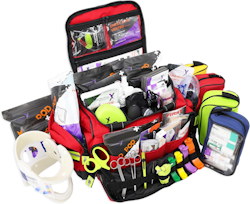
Having a well-stocked first aid kit is especially important not only for you, but also for others in your group or your neighbors. It’s an essential part of any emergency prepping plan for seniors. A great kit allows for a quick, confident response to minor injuries, sudden symptoms, or medical needs that can arise during daily life or emergencies. A good kit should include essentials like bandages, antiseptic wipes, pain relievers, wound dressings, any personal medications, and items tailored to age-related needs—such as glucose tabs for diabetics or an extra pair of glasses.
Consider adding a few more extra items to your first aid kit like QuikClot Gauze, Israeli Bandages and C-A-T Combat Application Tourniquets. You may be in an emergency with heavy bleeding, and these 3 items may just be the difference between life or death. If someone in your family or group is highly allergic to bee stings, maybe they should donate a couple of Epipens to your kit. Yes, these are a bit pricey, but if you buy these over time, you can build a decent stash of them.
As important as the kit is, another essential item is to have a couple of first aid manuals handy. A nice pocket guide like the “The Complete First Aid Pocket Guide” for any at-a-glance simple medical issues, and for more complex medical things, I recommend having a copy of the “U.S. Army First Aid Manual.” Both of these should be carried in an easily accessible side pouch on your med bag for quick access and reference .
For seniors, easy organization and clear labeling are key, helping reduce stress and confusion during urgent moments. Keeping the kit in an accessible location, checking it regularly, and knowing how to use each item ensures that help is always close at hand, supporting safety, independence, and peace of mind.
Finally, remember that medical supply prepping isn’t a one-time task—it’s an ongoing habit. Taking a few minutes every month to review what you have, restock what’s running low, and confirm storage conditions keeps everything organized and ready when you need it. With a little planning and routine maintenance, you’ll have peace of mind knowing you’re well-prepared and able to manage your health confidently, even when life throws the occasional curveball.
Best Practices
- Keep at least a twelve-week backup supply of essential medications.
- Store prescriptions in a cool, dry place—not the bathroom.
- Use a waterproof pouch for meds in your go bag.
- Keep updated copies of prescriptions and doctor contact info.
- Set calendar reminders to check expiration dates quarterly.
Emergency Prepping Plan for Seniors: Proper Clothing For Emergencies
Comfort and mobility matter—even more during an emergency. This isn’t a deep subject. It’s pretty darned simple. If you’re staying in your geographical zone, you know what your clothing requirements are. It’s a safe bet you already have everything you need in your closet. The only thing to consider is how much time you’ll spend outside in the elements, and that you have the proper clothing for that.
The only thing I suggest is having adequate rain gear. Whatever outdoor environment you’re in, having good rain gear will help keep you dry, thus eliminating other weather effects such as hypothermia and freezing.
- For Cold Weather: Fleece or wool layers. Thick socks and insulated slippers. Hats and gloves. A warm blanket easily accessible from the living space
- For Hot Weather: Loose, breathable cotton clothing. Moisture-wicking shirts. Wide-brim hats for sun protection
- For Evacuation: If you need to leave quickly, choose: Comfortable walking shoes. Easy-fit clothing you can layer and a light jacket that resists wind and water.
Emergency Prepping Plan for Seniors: Communication Tools
Communication gear is absolutely vital in an emergency—right up there with food, water, and first-aid. When normal systems fail, having the right tools lets you call for help, get information, stay connected, and make smart decisions instead of guessing in the dark.
Why Communication Gear Is Critically Important in Emergencies
Information = Safety: Knowing what’s happening around you (wildfires, power outages, evacuation orders, weather alerts, road closures) helps you make the right decisions at the right time. Without communication tools, you’re “flying blind.”
Calling for Help: If someone is injured or conditions turn dangerous, communication gear can literally be life-saving. Cell networks often fail—but radios don’t rely on towers.
Cordination: You may need to contact: Family and neighbors, Emergency services, Community resources, Other preppers. Good comms help you stay organized and calm.
Morale: Being cut off from the world increases fear, panic, and confusion. Access to news or a simple radio broadcast can be grounding.
What’s The Best Communication Tech To Have?
Something to consider when buying your comm tech is whether you’re going to be mobile or stationary. If your stationary such as in a home or camp, you should consider a base station with a larger antenna. If you require mobility, such as a truck, quad, or side-by-side, then you should have several hand-held units for you and your family, or prepper team.
Cell Phones: Great—But Not Reliable Alone
Pros
- Easy to use
- Fast communication and texting
- Emergency alerts (weather, Amber alerts, FEMA notices)
- Wide availability
- Works with internet apps (maps, messaging, medical info)
Cons
- Cell towers often go down in disasters
- Batteries drain fast (do you have a device to recharge your cell?)
- Overloaded networks can block calls
- Requires a signal and power grid
Verdict: Perfect as primary communication—but never your only method.
NOAA / AM/FM Emergency Radios (Must-Have)
AM/FM emergency radios don’t rely on cell networks. They receive:
- Weather alerts
- Emergency broadcasts
- Local news
- Evacuation orders
Why they’re critical:
- Work when cell towers fail
- Crank, battery, or solar options. (this can allow you to recharge other comm devices)
- Super simple for seniors
- Real-time official information
Verdict: Every household should have one—non-negotiable.
CB Radio (Citizens Band Radio)
Great for:
- Short-range communication (1–5 miles typical)
- Local chatter, traffic, accidents
- Contacting truckers (who are information gold mines)
- Neighborhood or community communication
Pros
- No license required
- Easy to operate
- Useful for vehicle-to-vehicle comms
Cons
- Limited range
- Can be noisy and crowded
- Not suitable for long-distance help
- Verdict: Excellent for local and vehicle-based communication.
Ham Radio (Amateur Radio): The Gold Standard for Emergencies
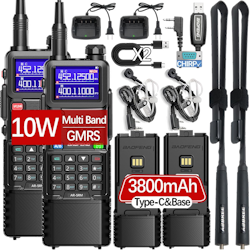
Ham radios are considered the ultimate communication tool for preppers, and for good reason. They work when nearly everything else fails, they offer incredible range, and they connect you to a massive global emergency-ready network. Baofeng hand-held Radio Ham Radios are priced just right for this purpose.
Ham radio works when everything else fails. It’s used by: Emergency responders, Search and rescue, Weather spotters and Disaster volunteers, and is an important piece of any emergency prepping plan for seniors.
Ham operators can talk to: Neighbors, Cities, States, other countries.
Pros
- Works without towers
- Global range with the right setup
- Reliable during disasters
- Can message through repeater networks
- Excellent for check-ins and coordination
Cons
- Requires a license (easy test)
- Equipment learning curve
- Some units need external power
- Verdict: The BEST communication tool in a major emergency.
Two-Way GMRS/FRS Radios (Walkie Talkies)
Two-way GMRS/FRS radios are excellent for preppers because they fill a critical communication gap: reliable, simple, short-to-mid-range communication that doesn’t depend on cell networks, internet, or outside infrastructure. They’re practical, affordable, and extremely useful in real-world emergencies. They work when cell phones do not! Check out my article on GMRS Radio’s for seniors for more info.
Great for:
- Family communication
- Neighborhood coordination
- Short-range outdoor use
Pros
- Cheap
- Easy for seniors
- GMRS radios have longer range (1–5+ miles depending on conditions)
Cons
- Limited distance
- Not suitable for calling remote help
- Verdict: Perfect for families or group prepping.
Keeping Your Communications Tech Powered Up
Your communication gear will be useless without power. Your ability to generate electricity is very important in an emergency. Make sure all your devices have:
- Power Banks
- Battery packs
- Hand-crank chargers
- Solar Generators
- Solar panels: Look at 200 watt or 400 watt folding panels
- Extra AA/AAA batteries
Remember…., Food keeps you alive. Water keeps you functioning. Communications keeps you informed and protected.
Emergency Prepping Plan for Seniors: To Bug-In or Bug-Out: What Are My Best Options?
A “bug-in” means staying home. A “bug-out” means evacuating to a safer location. For most seniors, bug-in is typically easier and safer, but you should have an emergency prepping plan for seniors for both.
When To Bug-In
Bugging in is often the safest and most practical option for senior citizens because home is already a controlled, familiar environment. Seniors may have mobility limitations, medical conditions, or rely on equipment—like walkers, oxygen machines, or medication schedules—that make sudden travel risky or exhausting. At home, they have easy access to their full supply of food, water, medicines, and medical devices without needing to pack or transport heavy gear. Staying put also avoids crowded roads, chaotic evacuation centers, and exposure to harsh weather or long travel conditions that can quickly become dangerous for older adults.
Bugging in also offers stability, comfort, and reduced stress—three things that play a major role in a senior’s health during an emergency. Familiar surroundings help prevent disorientation, confusion, and falls, especially for seniors with vision issues, memory concerns, or cognitive decline. Staying at home also allows caregivers, family members, and neighbors to check in more easily. Instead of being moved to an unfamiliar place with limited support, a senior who bugs in can maintain routines, stay warm, and stay safe with the resources they’ve already prepared. As long as the home remains structurally safe and the environment outside isn’t posing a direct threat, bugging in is typically the best first choice for older adults.
When To Bug-Out
Bugging out can be the safest option for senior citizens when staying home poses greater danger than leaving. Situations like wildfires, toxic spills, hurricanes, or structural damage can turn a home into a life-threatening environment—one where medical equipment fails, air quality declines, or emergency services can’t reach you. In these cases, evacuating early ensures seniors avoid breathing hazards, extreme temperatures, or getting trapped without help. Bugging out also allows access to medical care, reliable electricity for devices, and clean water—things that may become unavailable during prolonged power outages or infrastructure failures.
Leaving early also prevents seniors from having to navigate last-minute panic or rushed evacuations. With a well-organized bug-out plan, older adults can travel safely with caregivers or family members, bringing essential medications, emergency documents, and mobility aids. Shelters, hotels, or designated safe zones often provide better support systems, including medical staff, generators, and stable communication networks. For seniors who depend on routine medical treatments, refrigeration for medicine, or consistent oversight, bugging out ensures continuity of care when home conditions can no longer guarantee it. In short, bugging out becomes the smarter option when staying put risks health, safety, or access to life-supporting resources.
Download your 30 Day Bug-out Bag list
Emergency Prepping Plan for Seniors: Basic Security And Safety Precautions
When we talk about prepping for safety and security as seniors, the goal isn’t to create fear—it’s to build confidence. One of the best places to start is with home safety basics. Take a walk through your living space and look for anything that might cause slips or falls, like loose rugs or cluttered walkways. Simple fixes—adding brighter lighting, installing grab bars, or rearranging furniture—can make your home easier and safer to navigate every day.
Another key area is emergency readiness. Seniors should have quick access to items like flashlights, batteries, a charged cell phone, and a written list of emergency contacts. It’s also helpful to keep important documents—such as medical information, identification, and insurance papers—organized and in one place. Think of this as creating a small safety toolkit that allows you to respond smoothly during unexpected situations, whether it’s a storm, power outage, or a medical concern.
Personal security matters too, both inside and outside the home. Consider simple tools like doorbell cameras, peepholes, or motion-activated lighting to increase awareness of who’s around. It’s also wise to practice safe communication habits—never giving personal information over the phone or responding to suspicious emails or messages. Even something as small as letting a trusted neighbor or family member know your routine can add an extra layer of protection.
Finally, prepping for safety and security is really about building routines that help you stay safe ad secure. Regular check-ins with friends or family, updating safety equipment, and reviewing emergency plans once in a while all contribute to peace of mind. When you approach preparedness step by step, it becomes manageable and empowering—not overwhelming. A little planning today helps ensure you feel secure, supported, and ready for whatever comes your way.
Prepping Plan for Seniors Checklist
- Have a backup communication device (like a charged power bank or a battery radio).
- Install nightlights in hallways to prevent falls during outages.
- Keep a flashlight or headlamp next to your bed.
- Avoid clutter in walkways so you can move quickly if needed.
- Make a laminated list of emergency contacts and hang it on the fridge.
Emergency Prepping Plan for Seniors: Should You Be Armed?
The question of whether a senior should be armed is a highly personal choice, and owning firearms will depend on several factors—these are safety, health, physical ability, legal considerations, and comfort level. Being armed is your constitutional right — but keep in mind, firearms are just another tool in your prepper inventory, it should never be the first or only safety measure.
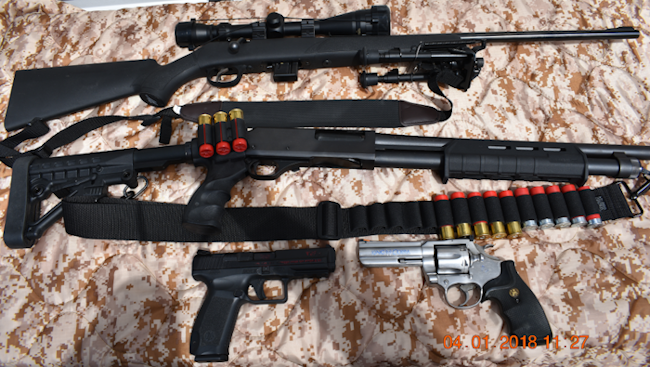
Picking Out A Firearm
So this depends and you have several options. Not only does having a firearm help with your security, but it can also be used for hunting to provide meat to feed you. The most important thing in owning a firearm will be knowing gun safety and being proficient in using them. Not only do you need to be able to shoot accurately, but you need to know how to take care of your weapon, clean it, and be able to field strip it & clear jams under adverse conditions. This means you need to practice, practice, PRACTICE!
I own a few firearms and have 3 different criteria in buying a gun. #1, what will it be used for, secondly, what caliber do I pick and its availability and third, how easy is it to reload ammo for. Pretty simple right?
Purpose:
So will this rifle be used to hunt with? Then a shotgun or bolt action rifle will suffice. Will I use this as a “patrol” or “security” rifle? In this case you should look at the AR or AK platforms. Do I need something for close defense? In this case, look at a handguns.
Caliber:
My first choice in deciding on a caliber will be ammunition availability. In an extended emergency event, you might need to acquire more ammunition. What are the most common calibers available will be the .9mm, .223 Remington, and .308 Winchester. Both the .223 and .308 suit the AR platforms as well as bolt actions. The .9mm is probably the most common handgun round available.
For shotguns, you have .12gauge, .20 gauge and .28 gauges. Shotguns are awesome for close self-defense and are great calibers for hunting both small and large game animals. and lastly, look at the .22 rimfire calibers like the .22 long rifle and .22 WMR (.22 magnum). These two rounds are small, but don’t let the size fool you. They are quiet in comparison to larger calibers, so if you need secrecy and want to remain undetected while shooting a small deer for sustenance, it can be done in relative quiet. Another benefit of the .22’s are they are cheap and can be bought in bulk in 500 round boxes.
Your deciding factors in choosing a caliber will be the effective range. So, how far do you expect to be shooting. Are we talking about being capable of shooting game at 100 yards, or does your geo location mean long-distance shooting from 700 to 900 yards at a mountain sheep with a .7mm Mag or .300 Win Mag. Next is how much kinetic energy is delivered at those effective distances. We’re talking “knock-down” power or lethality.
For example, the .223 Remington when hunting coyotes is generally considered to be around up to 500 yards. Some experienced shooters are able to achieve clean kills at distances up to 600 yards, maybe 700 yards. But, they factor in things like wind conditions, elevations, and shooter skill.
Reloading:
I reload my own ammunition. Without going into too much detail, being able to reload allows me to stock as much or as little ammo of the calibers I want. Reloading isn’t as economical as it used to be, but it does allow you to “build” the perfect performance load for your guns. Your ammo choices matter. Some loads perform better than others. By reloading or having a friend who can reload your ammo, you have a choice in how you build your ammo stash so that your weapons perform at their best.
So What Kind of Firearm Should I Carry?
This is entirely up to you. With a sidearm, it’s either a revolver or a semi-auto. A semi-auto is most useful in a urban environment. With it’s rapid fire and high capacity magazine you’re good to go. In a rural or remote or wilderness environment, you might find a revolver with speed loaders is the perfect choice. Keep in mind a handgun is a secondary or backup weapon. Your effective range is about 25 years, more if you’re competent and experienced. Your primary weapon will be a longrifle (rifle or shotgun)
If you’re unfamiliar with guns for any reason, then your best choice will be a shotgun. A shotgun, first off, is a great DETERRENT. Nothing keeps looters or intruders away like seeing a shotgun in the hands of a homeowner. Secondly, they are easy to use. It pretty much just “point and pull the trigger”. It’s an excellent choice in either urban or rural areas, and it’s a great option for self-defense to hunting. Pick from .12gauge, .20 gauge, or .28 gauges. A shotgun is a win-win for you.
Picking a rifle, it comes down to 1 choice really. In my opinion, your best all-around choice is the AR-15 platform. We’re talking 5.56mm or .223 Remington. So if you’re shopping for an AR-15, get one in the 5.56 caliber. So there is little bit of difference between the two. The 5.56mm is the military version of the .223 Remington. It has a heavier case and shoots a little bit higher pressures. So if you buy a 5.56mm, you can shoot .223 Remington in it. However, a .223 Remington cannot shoot 5.56 rounds! They are not interchangeable.
So why the AR-15. First thing is ammunition availability. You can get 5.56 and .223 anywhere. The AR-15 is the best all-around rifle. It fits in your truck. It’s light-weight. It’s rapid fire. You can reach out and tap targets at ranges of up to 700 yards. And if you’re using, for example .55 grain Hornady V-MAX rounds, those will drop just about any soft-target game like deer, hogs, coyotes, pretty much anything down here in the lower 48.
Secondly is magazine interchangeability. If we both, and our supportive neighbors all have AR-15s, we can swap, lend, or borrow magazines and not worry about the magazines not working. And they are affordable. I have at least a dozen 30 round mags for mine. You can’t have enough magazines.
And what options should I have on my AR-15? Thats easy, get yourself a 2 point sling, you should have a light so that you can illuminate your aimpoint (PID-positive ID of the target) and lastly, besides “iron sights,” you should have a decent 3×9 scope on it. A decent optic will allow you to do long-distance shooting. You can also put a decent Red-Dot on it for 50-200 yard shooting, but that’ll make you battery dependent. Keep in mind, you’re not a ex-Navy SEAL. The last thing you want to do is expose yourself and risk your life clearing rooms in a desperate SHTF situation for what, moldy bread?
The last thing I’m going to say about picking a firearm, is buy what you can afford! You don’t need all the expensive stuff the “prepper experts” tell you to have. A new AR-15 can be bought at retail for around $450. It can shoot just as good as any $1200 or $1500 AR. Outfit yourself with the best affordable gun tech for efficiency. Your success as a shooter putting rounds on target is gained by practice, practice, and more practice.
Firearm Safety And Proficiency
Firearm safety and proficiency start with a clear commitment to responsibility, awareness, and ongoing practice. Anyone who owns a firearm—especially seniors—should treat safety as the foundation of ownership, beginning with secure storage, proper handling and cleaning, and an understanding of local laws.
Proficiency isn’t about speed or power; it’s about having the confidence in safe operation, the ability to make thoughtful decisions under stress, and regular hands-on training with your guns. Staying familiar with your equipment, practicing safe habits every time, and recognizing personal physical limits & skill all play a crucial role in reducing risk and ensuring you and your families safety.
Final Encouragement: Prepping Is Peace of Mind
Preparing for emergencies isn’t about living in fear—it’s about living smart. Seniors, especially those who prefer their creature comforts (and who doesn’t?), benefit enormously from a practical plan that keeps essentials close at hand when the lights go out or the world gets a little chaotic. From stocking up on medications and easy-to-prepare foods to creating communication backups and keeping mobility aids ready for action, a solid prepping plan ensures safety, independence, and peace of mind.
You don’t have to prepare for everything at once. Start small, build gradually, and check your supplies every few months. Just doing one small task per day builds confidence, safety, and independence. Prepping isn’t just for emergencies—it’s a way of giving yourself freedom, independence, and a sense of readiness.
Think of it as assembling your own “survival starter pack”—minus the extreme camping and questionable protein bars. With the right preparation, a two-week power outage becomes less “disaster movie” and more “staycation with better snacks.”
Ready to take charge of your safety? Start building your personal emergency plan today—future you will thank you!
Emergency Prepping Plan for Seniors Resources
If you’re looking for additional information, check out the Free PDF downloads below
- LDS Preparedness Manual (2008)
- Mormon Emergency Preparation (1997)
- Prepare For Any Disaster
- FEMA-Citizen-Preparedness-Guide
- Food-Water In An Emergency
- Emergency Treatment of Drinking Water At The Point Of Use
- Where There Is No Doctor; A Village Heath Care Handbook
- Where There Is No Dentist
Want more practical, experience-backed articles like this? Subscribe to our newsletter today and get expert senior-focused tips, strategies, website updates and announcements delivered straight to your inbox.