What Kind of Gun Do I Need?
Buying your first firearm as a senior can be an exciting and rewarding experience, but it can also feel overwhelming. Whether it’s recreational target shooting, hunting, collecting, or home and self defense, with so many choices—from handguns and revolvers to shotguns and rifles—it’s important to take your time and learn about the different firearm types, calibers, and features before making that first purchase. This Retiree Gun Buyer’s Guide can help you.
Remember that becoming a responsible firearm owner is a journey, not something you learn overnight. Safe gun handling, proper storage, regular practice, and understanding your firearm’s operation are all part of the learning curve.
Consider taking a firearms safety course, visiting a local shooting range that offers rentals, and asking experienced instructors or knowledgeable gun shop staff for guidance. With patience, hands-on experience, and a commitment to safety, you’ll gain the confidence needed to enjoy shooting sports and responsible firearm ownership for many years to come.
16 Questions Every First-Time Gun Buyer Should Ask Themselves
If you are considering buying a firearm for the first time, ask yourself the following:
- Why am I buying a firearm?
- What is the firearms purpose?
- What type of firearm best fits my needs best?
- Is ammunition readily available and affordable?
- Am I comfortable with the firearm’s size and weight?
- Is the firearm easy for me to operate?
- How easy is it to maintain?
- Can I comfortably handle the recoil?
- Does the firearm fit my hands and body?
- How easy is it to maintain?
- How much experience does this firearm require?
- Can I afford a firearm, or more than one firearm?
- Will I practice regularly?
- Where will I safely store it?
- Do I understand my local and state firearm laws?
- Am I willing to take a firearm safety course?
Beginners often benefit from simpler, easier-to-operate firearms.
Calibers
Before we get too deep into the Retiree Gun Buyer’s Guide subject, when choosing a firearm, the 2nd most important decision you need to make is what caliber you need for your firearms purpose. Depending on your shooting needs, ask yourself “do I need a rimfire or a centerfire cartridge?” Once you’ve made up your mind whether you want a rimfire or centerfire cartridge, then you can decided on a caliber to suit your needs and purpose.
Retiree Gun Buyer’s Guide For Rimfire or Centerfire Calibers?
Rimfire cartridges contain the primer compound inside the rim at the base of the cartridge case. When the firearm’s firing pin strikes the rim, it crushes the primer, igniting the powder and firing the bullet. The most popular rimfire cartridge is the .22 Long Rifle (.22 LR), which has been a favorite for generations because it is affordable, produces very little recoil, and is enjoyable to shoot.
Your basic rimfire calibers are the .22 Short, .22 Long, .22 Long Rifle, .22 Winchester Magnum (.22 WMR). Then we have the .17 HMR (.17 Hornady Magnum), .17 HM2 (.17 Mach 2) and .17 WSM (.17 Winchester Super Magnum). Your .22 usually shoots a 34-40 grain bullet, and the .17 on average a 17 grain bullet. Its about half the size of a .22 and a much faster bullet. Typically up too 500 feet per second faster when compared to the .22 Mag. The .17 rounds are the Ferarri’s of the rimfire calibers. I know.., your thinking Woo-hoo! right?
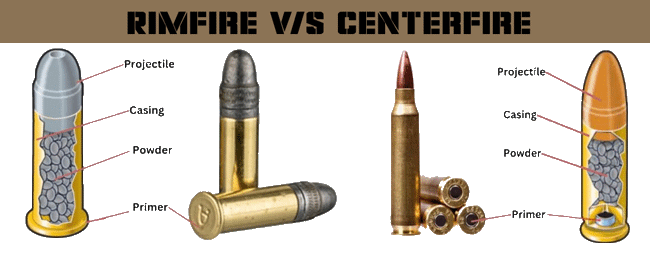
Centerfire cartridges have a separate primer located in the center of the cartridge base. When the firing pin strikes the center-mounted primer, it ignites the powder charge, firing the bullet. Most modern handguns, rifles, and shotguns use centerfire ammunition because it is stronger, more reliable, and available in a wide variety of calibers.
So when it comes to choosing a centerfire round, the world is your oyster. With the rimfires, you’re limited to 7 different calibers, but with centerfire, Id say you have I’ll guess 125 plus variations to pick from. You have so many options not only for the caliber you want, but within that caliber all the different bullet weights for a variety of shooting options.
Id guess most everyone is going to choose a centerfire caliber, but sticking with a rimfire is okay too. There is nothing wrong with buying a gun for plinking cans/target shooting or doing some varmint/predator hunting with it. I have 4 rimfire guns and I love them. Its your choice!
What Caliber Do I Need?
One of the first terms you’ll hear when shopping for a firearm is caliber. Matter of fact, the salesman at the counter will ask you what caliber are you looking for before anything else. Once he or she knows, then they’ll start to help you by showing you the different guns in the caliber you want.
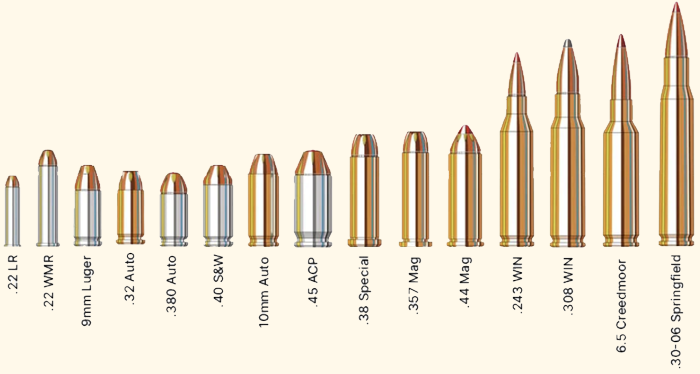
Simply put, caliber refers to the diameter of the bullet (or the inside diameter of a firearm’s barrel) and identifies the type of ammunition a firearm is designed to use. Every firearm is built to safely fire a specific caliber, so it’s important to use only the ammunition recommended by the manufacturer.
Calibers are typically expressed in one of two ways. Typically in the United States, many are measured in inches, such as .22, .223, .308, or .45. Other calibers use the metric system, such as 9mm, 5.56mm, or 7.62mm. While these numbers often describe the approximate bullet diameter, they are not always exact measurements and should be viewed as standardized cartridge names rather than precise dimensions.
Choosing A Rifle.
In this post I’m gonna use the K.I.S.S. method. That stands for “Keep It Simple Stupid”. Our goal here is to not over complicate your first time gun buying experience. All your going to get here is some basic information which you can use to decide what you next steps are in purchasing your gun. Sounds Good?
Alrighty…, so now that you’ve decided between rimfire or centerfire, let’s take a look at your retiree gun buyer’s guide choices. Before I begin, I want to add something here. Me personally, I like “options”. By that, I mean I’m never really happy with something out of the box. I almost never buy a gun on impulse in the store. While I might of looked at one at the gun store counter, I wait until I get home and can start looking at all the options to tweak and accurize that gun.
Guns right out of the box are “stock” and while they may be accurate. There are aftermarket options you can buy to take it from stock to a competition grade shooter. Ya dig? From replacing the original stock with an aftermarket stock, to installing a Timney Trigger kit. You can add or change optics, swap out the magazine release for an extended magazine release. These options can easily improve the functionality and accuracy of your firearm. I love to tinker with things and I love improving my guns myself.
So one thing to be aware of shopping for a firearm. You have the option with a model to buy that firearm with optics. That rifle you want may come with or without a scope, ditto for handguns. Usually the gun & scope combo is the cheaper option than buying these separately.
Retiree Gun Buyer’s Guide For Bolt Action Rifles
Bolt-action rifles have earned a reputation as some of the most accurate, reliable, and versatile firearms ever made. They are widely used for hunting, target shooting, long-range competition, and precision marksmanship. Their simple design and strong action have made them a favorite among sportsmen and competitive shooters for well over a century.
Why Should You Consider A Bolt-Action Rifle?
- Pursuing small, medium or large game
- Long-range target shooters
- Precision rifle competitors
- New shooters learning marksmanship fundamentals
- Varmint and predator hunters
- Firearm collectors who appreciate traditional sporting rifles
Pros of a Bolt-Action Rifle
- Outstanding Accuracy
- Excellent Long-Range Performance
- Exceptional Reliability
- Strong and Durable Action
- Wide Variety of Calibers
Bolt-action rifles are available in many chamberings, including:
.22 LR
.223 Remington
.243 Winchester
.270 Winchester
.308 Winchester
6.5 Creedmoor
.30-06 Springfield
.300 Winchester Magnum
.338 Lapua Magnum
This broad rifle selection allows yours to choose a rifle suited to target shooting, predator control, hunting, or long-range competition. You can pretty much get a bolt action rifle for just about any cartridge made. And let not forget that your basic bolt-action rifle is an excellent choice for learning marksmanship fundamentals
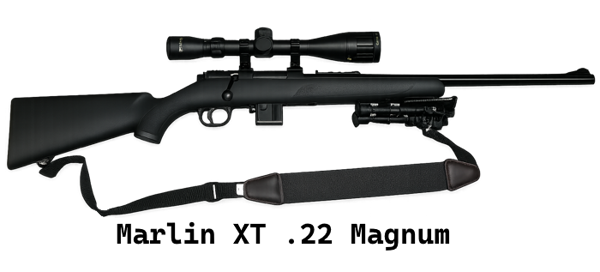
I currently have 1 bolt action rifle and it is a Marlin XT chambered in .22 Magnum and I mounted a Tasco World Class scope on it that I got online on clearance. I also put a bipod on it. Marlin stopped making this rifle years ago. It’s a great rifle for target shooting and it also does a nice job doing double duty as a small game/varmint rifle if I want to hunt with it.
Bolt-Action Rifle Final Thoughts
Bolt-action rifles remain one of the most trusted firearm designs because they emphasize precision, durability, and reliability. While they do not offer the rapid rate of fire of lever-action or semi-automatic rifles, they excel in situations where accuracy and consistency matter most. Whether your goal is hunting, target shooting, or improving your marksmanship, a quality bolt-action rifle can provide decades of dependable service and enjoyable use when handled safely and responsibly.
The 30 Day Emergency Prepping Plan for Seniors: A Friendly Guide.
Retiree Gun Buyer’s Guide For Lever Action Rifles
Lever-action rifles have been popular for more than 150 years, and for good reason. They are reliable, fast to operate, and enjoyable to shoot. Whether you’re interested in hunting, recreational target shooting, collecting historical firearms, or home and ranch use, a lever-action rifle offers a unique blend of tradition and practical performance.
Why Should You Consider a Lever-Action Rifle?
A lever-action rifle is an excellent choice you are:
- Hunters pursuing deer, hogs, or black bear in wooded terrain
- Recreational shooters looking for a fun and engaging firearm
- Collectors interested in classic American firearms
- Cowboy action shooting competitors
- Ranchers and landowners who appreciate a compact, reliable rifle
- New shooters seeking a lightweight, easy-to-handle rifle in a moderate-recoil caliber
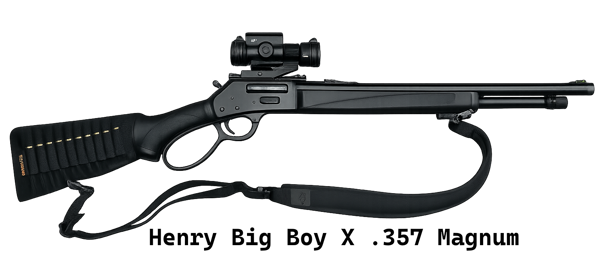
I have a lever action rifle. Its a Henry Big Boy X chambered in .357 Magnum. I bought this as a companion piece to go along with my .357 Mag revolver. I do have my eye on a lever-action chambered in a sexy .45/70 Government down the road. Would’nt you agree that everyone needs a rifle that can hammer a T-Rex?
Pros of a Lever-Action Rifle
- Fast Follow-Up Shots
- Reliable Design
- Lightweight and Easy to Carry
- Compact Size
- Excellent for Hunting
- Available in both pistol and rifle calibers, allowing shooters to select a model suited for target shooting, hunting, or recreational use
- Historical Appeal
Lever-action rifles are available in many different chamberings, including:
.22 Rimfire calibers
.357 Magnum
.44 Magnum
.25 Long
.30-30 Winchester
.35 Remington
.45-70 Government
.444 Marlin
.32 Winchester Special
Lever-Action Rifle Final Thoughts
Lever-action rifles continue to be popular because they combine speed, reliability, and classic styling in a practical package. While they may not match the long-range precision or magazine capacity of some modern rifle designs, they excel at what they were built to do: provide fast handling, dependable performance, and an enjoyable shooting experience. For many owners, a lever gun is as much about the connection to tradition and craftsmanship as it is about effectiveness in the field or at the range.
Retiree Gun Buyer’s Guide For Semi-Automatic Rifles
Semi-automatic rifles are among the most versatile firearms available for civilian ownership where legal. A semi-automatic rifle fires one round with each trigger pull and automatically chambers the next round, allowing the shooter to maintain focus on the target without manually cycling the action. They are commonly used for recreational target shooting, hunting (where permitted), competition, predator control, and personal or property defense.
Why Should You Consider a Semi-Automatic Rifle?
Recreational target shooters
Competitive shooting enthusiasts
Hunters, where legal and appropriate for the game being pursued.Some jurisdictions restrict the use of semi-automatic rifles for certain types of hunting or regulate magazine capacities. Always check local laws and hunting regulations before purchasing or using one.
Ranchers or landowners needing a versatile utility rifle
Shooters who appreciate modern ergonomics and customization options
Pros of a Semi-Automatic Rifle
- Fast Follow-Up Shots
- Reduced Felt Recoil
- Excellent for Recreational Shooting
- Suitable for Competition
- Wide Variety of Calibers
- Accessory Compatibility. ie: Easy to customize
Semi-automatic rifles are available in numerous chamberings, including:
.22 LR
.223 Remington / 5.56 NATO
.300 Blackout
9mm (carbine platforms)
.308 Winchester / 7.62 NATO
6.5 Creedmoor
.350 Legend
.450 Bushmaster
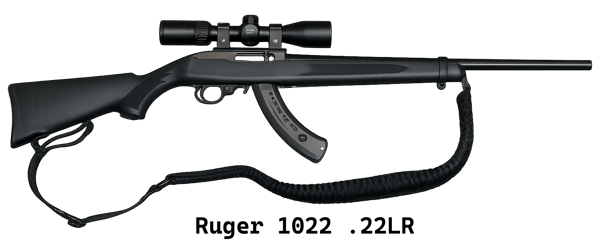
I have a semi-auto rifle. Its a Ruger 1022. I bought this to use in the Rimfire Challenge competitions. I love this rifle. I put a Vortex Crossfire II scope on it and I have a Magpul Hunter X-22 Stock to put on it yet, plus some other goodies. It come with 10 round magazines and you can, as I have buy 30 round magazines for it.
Semi-Automatic Rifle Final Thoughts
Semi-automatic rifles are valued for their versatility, ease of use, and ability to support a wide range of lawful sporting and recreational activities. They excel at target shooting, many forms of competition, and, where permitted, hunting and predator control. While they generally require more maintenance than simpler manually operated rifles and are subject to varying laws depending on the jurisdiction and purpose. Many owners appreciate their combination of practical performance, ergonomic design, and adaptability. Choosing the right rifle ultimately depends on your intended use, budget, local regulations, and personal preferences.
Retiree Gun Buyer’s Guide For AR-15/AR-10 Rifles
AR-style rifles are among the most popular sporting rifles in the United States. The “AR” in AR-15 originally stood for ArmaLite Rifle, named after the company that developed the design—it does not stand for “assault rifle.” Modern civilian AR-style rifles are semi-automatic firearms that fire one round per trigger pull and are commonly used for recreational target shooting, competitive shooting, hunting (where legal), predator control, and home or ranch use.
Why Should You Consider a AR-Style Rifle?
Well…, not gonna kid anyone here. Owning and shooting an AR is just plain FUN! An AR-style rifle may appeal to:
- Recreational target shooters
- Competitive shooters
- Varmint and predator hunters
- Hunters using appropriate calibers where permitted
- Ranchers and landowners
- Firearm enthusiasts who enjoy customizing their equipment
What is the difference between the AR-15 and AR-10?
The main difference is their size and caliber. The AR-15 is a smaller, lighter rifle chambered for .223 Rem/5.56mm ammunition, making it ideal for home defense and target shooting. The AR-10 is a larger, heavier rifle chambered for more powerful .308 Win /7.62 mm rounds, built for long-range shooting and big-game hunting using a longer cartridge compared to the 5.56 or .223.. Think of it as short action (AR-15) v/s long action (AR-10)
How many Different Calibers Are There For The AR-15 and AR-10?
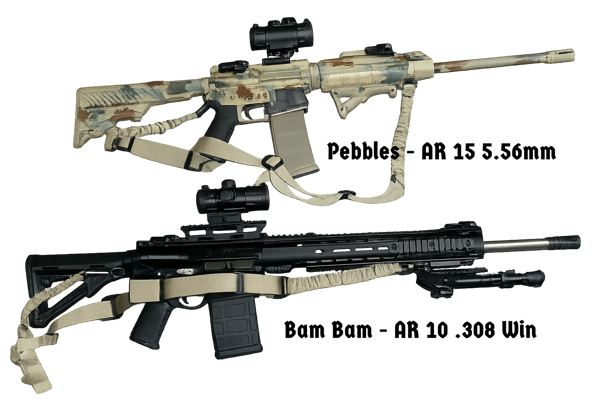
There are dozens of AR-15 and AR-10 calibers. Its a safe bet to say that there are over 60 different calibers between the AR-15 and AR-10. You can get an exact count on the Wikipedia’s AR Platform Cartridges Page. I have an AR-15 in 5.56mm/.223 Remington and an AR-10 in .308 Winchester/7.62mm. I named them “Pebbles” and “Bam Bam“
Pros of an AR-Style Rifle
- Highly Customizable
- Ergonomic Design
- Low Recoil
- Excellent Accuracy
- Wide Range of Calibers
- Easy Optics Installation
- Extensive Parts Availability
- Suitable for Multiple Activities
- Easy Maintenance
Now given all the cool reasons to own an AR. The downside of this is all those bitchin accessories you added like a bipod, strobe light, close combat red-dot, forearm grip, laser and more. These have added a bit of weight to your rifle. No to mention, took a nice sized bite out of your wallet and then the wife took a chunk out of your behind for draining the bank account. And with all this going on, keep in mind if you’re shooting the rifle a lot, it’s going to need quite a bit of TLC when it comes to keeping it clean and functioning well.
Lastly, let’s not forget about living in a left-leaning State. Legal Restrictions can vary from State to State. State and local laws regarding AR-style rifles, features, magazine capacities, and transportation can differ significantly. AR owners should always understand and comply with the laws where they live and travel.
AR-Style Rifle Final Thoughts
The AR Rifle is the most versatile rifle platform you can buy, AR-style rifles are popular because they combine accuracy, modularity, and versatility in a platform that can be adapted to many lawful sporting and recreational activities. Their ergonomic design, broad caliber selection, and extensive aftermarket support make them attractive to a wide range of shooters.
At the same time, prospective owners should factor in maintenance needs, the potential cost of accessories, and the importance of understanding the laws that apply in their area. Selecting the right rifle depends on your intended use, experience level, budget, and local regulations.
Retiree Gun Buyer’s Guide For Shotguns
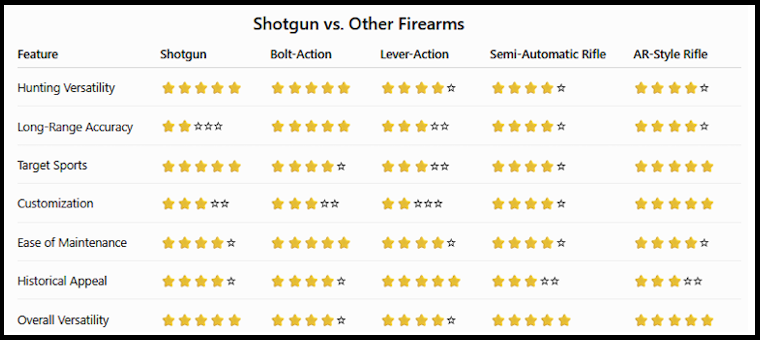
Shotguns are among the most versatile firearms available. They are used for hunting, recreational target shooting, clay sports, predator control, ranch work, and, where lawful and appropriate, home defense. With the ability to fire different types of ammunition for different purposes, a single shotgun can serve many roles, making it a practical choice for many firearm owners.
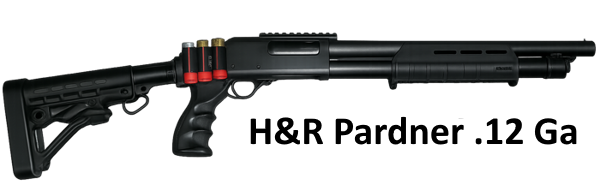
Below is a pic of my H & R Pardner. The Harrington & Richards Pardner is a Remington 870 clone. They’re cheap, you can get them at WalMarts. Now, notice I said “Remington 870 clone”. This means some parts from a Remington 870 are interchangeable. So be careful if you add Rem 870 accessories to this gun. You’ll have to do some “gun-smithing” to the part to get those aftermarket accessories to fit. Like the Magpul MOE M-LOK Remington 870 Forend I put on mine. I had to sand the inside channel to get it to fit proper. The H&R parts are over-sized. All that aside, this shotgun shoots great. I like it and for the cost, its a great investement.
Why Should You Consider a Shotgun?
Bird hunting
Waterfowl hunting
Turkey hunting
Deer hunting (where legal)
Clay target sports
Recreational shooting
Predator control
Ranch and farm use
Pros of Owning a Shotgun
As a first-time shotgun buyer, focus on education rather than simply buying the most popular model. Visit a reputable firearms dealer, handle several shotguns to see what feels comfortable, and consider taking a beginner shotgun safety course before heading to the range. Understanding the differences between pump-action, semi-automatic, and break-action shotguns—as well as choosing the appropriate gauge and ammunition—will help you make a well-informed decision that you’ll enjoy for years to come. Always prioritize safe firearm handling, proper storage, and regular practice to build confidence and proficiency.
If there is any gun that is literally “point and shoot” it’s the shotgun. A shotgun requires minimal time and effort learning how to use and shoot it. Extremely versatile, the shotgun covers a wide variety of calibers and types of ammunition. Its an excellent choice for hunting needs, and nothing compares to the shotgun for self-defence and protecting your home.
Retiree Gun Buyer’s Guide of Types of Shotguns
| Type | Best For | Pros | Cons |
|---|---|---|---|
| Pump-Action | Hunting, recreation, general use | Reliable, affordable, versatile | Requires manual cycling |
| Semi-Automatic | Competition, hunting, clay sports | Reduced felt recoil, faster follow-up shots | More complex maintenance |
| Over-Under | Trap, skeet, sporting clays | Excellent balance, reliable | Usually more expensive, only two shots before reloading |
| Side-by-Side | Traditional hunting, collecting | Classic appearance, quick handling | Less common, often premium-priced |
| Single Shot | Beginners, small-game hunting | Simple, lightweight, affordable | One shot before reloading |
Retiree Gun Buyer’s Guide of Common Shotgun Gauges
| Gauge | Best Use | Recoil |
|---|---|---|
| 12 Gauge | All-around hunting, clay sports, recreation | High |
| 20 Gauge | General hunting, youth and recoil-sensitive shooters | Moderate |
| 28 Gauge | Upland birds, sporting clays | Light |
| .410 Bore | Small game, beginners, skill development | Very Light |
Choosing A Hand Gun.
Buying your first handgun doesn’t have to be intimidating. The key is to find one that fits your hands comfortably, feels balanced, and is easy for you to operate. Resist the urge to buy the first handgun someone recommends or the one with the biggest caliber. Instead, visit a reputable gun store or shooting range where you can handle several models and, if possible, rent a few to see what feels best. A handgun that fits you well will be easier to control, more accurate, and more enjoyable to shoot.
Before making your purchase, spend some time learning the basics of safe firearm handling and your state’s firearm laws. Many ranges offer beginner handgun classes that cover safety, proper grip, loading and unloading, and basic marksmanship. As you shop, ask questions about reliability, recoil, ease of maintenance, and available accessories. Taking your time and making an informed decision will help ensure you choose a handgun that meets your needs, whether it’s for target shooting, personal protection, or simply learning a new skill.
Retiree Gun Buyer’s Guide For Revolvers
Revolvers have been trusted by shooters for more than 180 years and remain popular for recreational shooting, target practice, hunting, collecting, and, where lawful, personal protection. Known for their simplicity, durability, and reliability, revolvers are often recommended for both new and experienced shooters who appreciate a straightforward firearm with a proven track record.
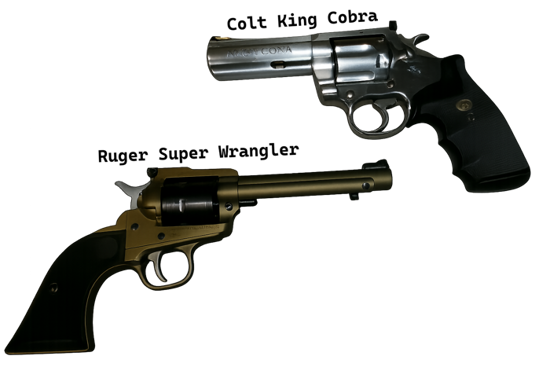
I have 2 revolvers. Starting off with my Colt King Cobra chambered in .357 Magnum. This is my outdoor/camp revolver and companion piece to my Henry Big Boy X. Next is my Ruger Super Wrangler. Its a .22 caliber and it comes with 2 interchangeable cylinders. One in a .22 Long rifle, the other in .22 Magnum. Both .22 cals are cheap to shoot and is a great trail gun hiking if you worry about snakes and what-not.
Why Should You Consider a Revolver?
- Recreational shooters
- New firearm owners seeking a simple manual of operation
- Hunters using handgun-legal calibers
- Collectors of classic firearms
- Cowboy action shooting competitors
- Outdoors enthusiasts who want a robust sidearm for field use
Pros of Owning a Revolver
- Exceptional Reliability
- Simple to Operate
- Wide Variety of Calibers
- Can Fire Multiple Compatible Cartridges
- Easy to Verify Loaded or Unloaded Status
- Excellent Accuracy
- Durable Construction
- Wide Range of Barrel Lengths
- Suitable for Hunting
- Classic Styling and Collectibility
Types of Revolvers
| Type | Best For | Advantages |
|---|---|---|
| Double-Action (DA) | General purpose, target shooting, recreation | Can be fired double- or single-action |
| Single-Action (SA) | Cowboy shooting, historical collecting | Crisp trigger, traditional operation |
| Double-Action Only (DAO) | Simplicity and consistent trigger pull | Same trigger pull for every shot |
Common Revolver Calibers
| Caliber | Best Use | Recoil |
|---|---|---|
| .22 LR | Practice, training, small game | Very Light |
| .38 Special | Target shooting, recreation | Light |
| .357 Magnum | Recreation, hunting, versatile use | Moderate to Heavy |
| .44 Magnum | Hunting, outdoor use | Heavy |
| .45 Colt | Recreation, cowboy action, hunting | Moderate |
| .500 S&W Magnum | Large-game hunting | Very Heavy |
Retiree Gun Buyer’s Guide For Semi-Automatic Pistols
Semi-automatic handguns are among the most popular firearms in the world because of their versatility, ease of use, and wide range of available models. They are commonly used for recreational target shooting, competitive shooting, hunting (where appropriate), collecting, and, where lawful, personal protection. Modern semi-automatic pistols are valued for their reliability, ergonomic designs, and broad aftermarket support.
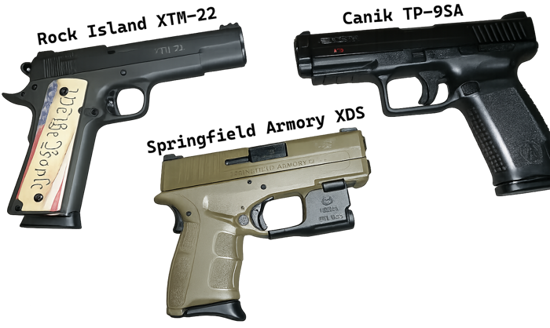
As you can see above I own 3 semi-autos. A Rock Island XTM-22 in .22 Magnum, a Springfield Armory XDS Mod .2 which functions as my concealed carry piece, and my full sized frame Canik TP-9SA. The last 2 are both chambered .9mm
Who Should Consider a Semi-Automatic Handgun?
- Recreational shooters
- Competitive shooting enthusiasts
- New shooters willing to learn modern handgun operation
- Collectors
- Hunters using handgun-appropriate calibers (where legal)
- Firearm owners looking for a versatile range pistol
Pros of Owning a Semi-Automatic Handgun
- Higher Ammunition Capacity
- Fast Reloading
- Reduced Felt Recoil
- Wide Variety of Calibers
- Excellent Ergonomics
- Easy Optics Compatibility
- Strong Aftermarket Support
- Ideal for Recreational Shooting
- Popular in Competitive Shooting
- Wide Range of Sizes
Retiree Gun Buyer’s Guide For Aftermarket Options
One of the fun options you have with semi-automatic handgun is the availability of aftermarket options. Popular handgun models have extensive aftermarket options, including:
- Sights
- Triggers
- Holsters
- Grips
- Magazine extensions
- Lights
- Lasers
- Red-dot optics
Common Semi-Automatic Handgun Sizes
| Size | Best For | Advantages |
|---|---|---|
| Full-Size | Range use, competition | Highest capacity, easiest to shoot |
| Compact | General-purpose use | Good balance of size and shootability |
| Subcompact | Smaller hands, recreational shooting | Lightweight and portable |
| Micro-Compact | Maximum concealability | Very compact while retaining useful capacity |
Popular Semi-Automatic Handgun Calibers
| Caliber | Best Use | Recoil |
|---|---|---|
| .22 LR | Training, target shooting | Very Light |
| .380 ACP | Recreational shooting | Light |
| 9mm Luger | Recreation, competition, versatile use | Moderate |
| .40 S&W | Target shooting, recreational use | Moderate to Heavy |
| 10mm Auto | Hunting, outdoor use | Heavy |
| .45 ACP | Target shooting, recreation | Moderate |
Semi-Automatic Handgun or Revolver Final Thoughts
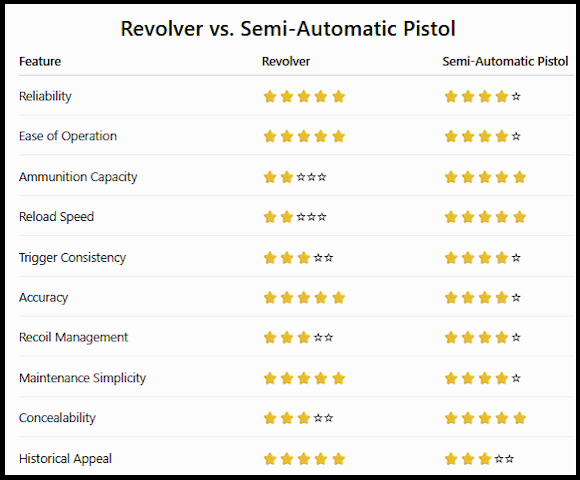
Choosing between a semi-automatic pistol and a revolver is one of the first decisions many new handgun buyers face. Both are excellent options, but they operate differently and offer unique advantages. Semi-automatic pistols use a detachable magazine and automatically chamber the next round after each shot, while revolvers use a rotating cylinder that typically holds five or six cartridges. The best choice depends on your comfort level, intended use, and personal preferences.
Semi-automatic pistols are popular because they generally hold more ammunition, are easy to reload with a spare magazine, and come in a wide variety of sizes for concealed carry, home defense, and recreational target shooting. Revolvers are appreciated for their simple operation and dependable design. Many first-time shooters like that a revolver has fewer controls to learn, making it straightforward to load, unload, and safely operate. Both handgun types are available in calibers suitable for beginners as well as experienced shooters.
Before making your decision, visit a reputable gun store or shooting range that offers firearm rentals. Handling and, if possible, shooting both a semi-automatic pistol and a revolver will help you discover which feels more comfortable and natural in your hands. No matter which style you choose, investing in quality firearms safety training and regular practice is the best way to build confidence, improve your skills, and become a safe, responsible handgun owner.
Retiree Gun Buyer’s Guide For Black Powder Guns
Black powder firearms are in a class all of their own.
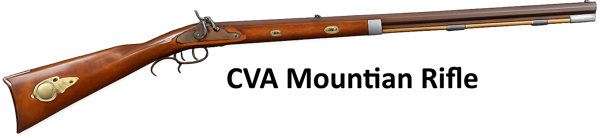
I carried a .54 cal CVA Mountain Rifle for years as a buckskinner. I built mine from a kit. CVA stopped producing this kit years ago, but it look like Traditions is making them now. How good is this gun? I have won “candle shoots” at 75yds with mine. A candle shoot is where you snuff out the candle wick. Anything else is considered a miss. I did this with a patched round ball and replacing the factory sights with an aftermarket primitive full buckhorn rear sight and a medium blade silver front sight and of course much better eyesight in the early 90’s than I have now.
How Cool Is Black Powder Shooting?
Black powder shooting is a rewarding hobby that combines history, craftsmanship, and marksmanship into one unique experience. Unlike modern firearms, black powder rifles, muskets, and revolvers encourage shooters to slow down and appreciate every step of the process. From measuring the powder charge to seating the projectile and firing the shot, each stage requires patience and attention to detail. Many enthusiasts enjoy the strong connection to America’s military, frontier, and sporting history that comes with using traditional firearms.
Another reason to explore black powder shooting is the opportunity to develop new skills. Learning proper loading techniques, firearm maintenance, safe handling practices, and improving accuracy provides an enjoyable challenge for both new and experienced shooters. Black powder firearms often produce more recoil, smoke, and noise than many modern firearms, creating an exciting shooting experience while teaching shooters to focus on consistency and precision.
Retiree Gun Buyer’s Guide For Traditional and Inline Black Powder Guns
The two major types of black powder firearms are traditional muzzleloaders and modern inline muzzleloaders. While both are loaded from the muzzle (the front end of the barrel) and use black powder or approved black powder substitutes, they differ in their ignition systems, ease of use, maintenance, and overall performance. Understanding these differences can help you choose the style that best matches your shooting experience and goals.
Traditional Muzzleloaders
Traditional muzzleloaders are designed to resemble the firearms used during the American colonial period and the 1800s. They are commonly available as flintlock, percussion cap, or sidelock rifles and pistols. These firearms emphasize historical authenticity and are popular with history enthusiasts, reenactors, and hunters who enjoy a more traditional shooting experience. Loading typically involves pouring a measured powder charge down the barrel, inserting a patched round ball or conical bullet, and seating it with a ramrod before priming the ignition system. Traditional muzzleloaders often require more practice to master, but many shooters appreciate the craftsmanship, challenge, and connection to firearms history they provide.
Flintlock and percussion firearms are both traditional black powder firearms, but they use different methods to ignite the powder charge. Flintlock firearms were developed in the early 1600s and remained the dominant military and civilian firearm for nearly two centuries. Percussion firearms, introduced in the early 1800s, replaced the flintlock ignition system with a more reliable percussion cap, making them easier to use in a wider range of weather conditions.
Flintlock Firearms
A flintlock uses a piece of flint held in the hammer, known as the cock. When the trigger is pulled, the flint strikes a hardened steel plate called the frizzen, creating sparks. Those sparks ignite a small amount of priming powder in the flash pan, and the resulting flame travels through a tiny touch hole to ignite the main powder charge inside the barrel. Flintlocks are admired for their historical significance and craftsmanship, but they require careful loading and maintenance. Because the ignition depends on exposed priming powder and sparks, they can be more sensitive to moisture and often have a slight delay between pulling the trigger and the firearm firing.
Percussion Firearms
Percussion firearms replace the flint, frizzen, and flash pan with a small metal percussion cap placed on a nipple at the rear of the barrel. Pulling the trigger causes the hammer to strike the cap, creating a hot flame that travels directly into the main powder charge. This system provides faster, more consistent ignition and performs better in damp or windy conditions. Percussion rifles and pistols are generally easier for beginners to learn and maintain, while still offering the traditional experience of shooting a black powder firearm.
For many new black powder shooters, a percussion firearm is often the easier place to start because it is simpler to operate and typically more reliable. Flintlocks remain a favorite among history enthusiasts, reenactors, and experienced muzzleloading shooters who enjoy mastering one of the earliest and most iconic firearm ignition systems.
Modern Inline Muzzleloaders
Modern inline muzzleloaders use an ignition system that aligns directly behind the powder charge, creating a more consistent and reliable ignition than most traditional designs. Many models use 209 shotgun primers and are built with modern materials such as stainless steel and synthetic stocks for improved durability and weather resistance. They are generally easier to clean, simpler to maintain, and often deliver greater accuracy at longer distances when used with modern projectiles and optics where legal. Inline muzzleloaders have become a popular choice for hunters because they combine the unique experience of muzzleloading with many of the conveniences and performance improvements found in today’s firearms.
Black powder shooting also offers a welcoming community of hobbyists who enjoy sharing knowledge, attending historical reenactments, participating in target matches, and preserving traditional shooting sports. Whether your interest is hunting, competition, collecting antique-style firearms, or simply enjoying a relaxing day at the range, black powder shooting provides a hands-on experience that is both educational and entertaining. With proper training, adherence to safety rules, and respect for the equipment, it can become a lifelong hobby that connects the past with the present.
Its no secret. When you show up to shoot with your “charcoal burners” everybody and I mean EVERYBODY has to come check out your guns. Folks will line up wanting a chance to shoot one.
Retiree Gun Buyer’s Guide For Historial Reenacting Groups
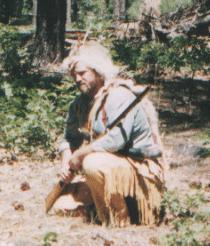
I can’t begin to tell you how much fun it is, to get involved in historical reenacting. I was a buckskinner for years. I build my own blackpowder guns from kits and made my own knives, powderhorns and other plunder. Half of the fun is the experiences and friendships, the other half is the learning curve you get working on and making your gear.
I have taken the liberty to post the groups that are the number 1 ranked or close to the number 1 rank in a Google search. If your interested in participating in a historical reenactment group you can start by searching for local or regional groups in your city, county or state.
Here are some of the historical reenacting shooting associations you might want to join:
- National Muzzle Loading Rifle Association
- Long Hunter
- French and Indian Wars (F&I War)
- Revolutionary War (Rev War)
- Mountain Man (buck skinners)
- Civil War
If you are interesting in this, I would suggest looking through the National Muzzle Loading Rifle Association website for a local chapter.
Retiree Gun Buyer’s Guide For Competition Shooting Sports
So you bought a gun and now what? Well, I suggest checking out some of the competition shooting sports you local gun clubs may offer. Competition shooting sports such as USPSA and PCSL offer far more than the thrill of competition. They help shooters develop safe firearm handling habits, improve accuracy, increase confidence, and build decision-making skills under pressure.
Participants also benefit from learning efficient movement, target transitions, and problem-solving while following strict safety rules. Beyond the technical skills, these shooting sports foster a welcoming community where beginners and experienced competitors can learn from one another, make lasting friendships, and enjoy a challenging hobby that encourages continuous personal improvement.
Here are some of the shooting associations you might consider joining:
- National Rifle Association (NRA)
- Civilian Marksmanship Program (CMP)
- United States Practical Shooting Association (USPSA)
- Steel Challenge Shooting Association (SCSA)
- International Defensive Pistol Association (IDPA)
- Practical Competition Shooting League (PCSL)
- Action Pistol
- Rimfire Challenge
- Single Action Shooting Society
Your local gun club may offer more events apart from these.
Retiree Gun Buyer’s Guide Competition Shooting Sport Rulebooks
These rules are for the individual shooting sports. Your local gun club and shooting range rules may vary.
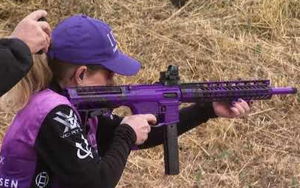
- NRA Action Pistol Rule Book
- NRA America’s Rifle Challenge (ARC) Rulebook
- CMP Action Pistol Competition (2026) 4th Edition Rulebook
- CMP Pistol Competition (2026) 29th Edition Rulebook
- CMP Highpower Rifle Competition (2026) 29th Edition
- CMP Games Competition Rules for Rifle and Pistol (2026) 13th Edition Rulebook
- CMP Smallbore Rifle Competition (2026) 8th Edition Rulebook
- USPSA Competition Rulebook
- USPSA Rifle, Shotgun and Multigun Rulebook
- Steel Challenge Shooting Association (SCSA) Rulebook
- Practical Competition Shooting League (PCSL) Rulebook
- INTERNATIONAL DEFENSIVE PISTOL ASSOCIATION (IDPA) Rulebook
Retiree Gun Buyer’s Guide For Choosing Your First Firearm.
So having gone through the Retiree Gun Buyer’s Guide, do you feel ready to make a decision? Choosing your first firearm can feel overwhelming because there are several popular styles, each designed with different strengths in mind. Semi-automatic firearms are popular because they quickly load the next round after each trigger pull, making them easy to operate for target shooting, home defense, and recreational use. Bolt-action rifles are known for their excellent accuracy and simple, reliable design, making them a favorite for hunting and precision shooting. Lever-action rifles offer a classic look and smooth operation that many shooters enjoy, especially for hunting and range practice.
AR-style rifles are among the most versatile modern sporting firearms available. Their adjustable stocks, light recoil, and wide variety of accessories make them suitable for recreational shooting, training, target competitions, and varmint hunting. Shotguns are another versatile option and can be used for home defense, hunting birds or larger game, and shooting sports such as trap, skeet, and sporting clays. The best choice depends on how you plan to use the firearm and what feels comfortable in your hands.
Buying your first handgun is a personal decision, so take your time and choose one that feels comfortable in your hands rather than simply following someone else’s recommendation. Visit a reputable gun store or shooting range, handle several models, and, if possible, rent a few before making a purchase.
Before making a purchase, visit a reputable firearm dealer or shooting range that rents different models. Holding and, if possible, safely test-firing several firearm types can help you determine which one fits your body, experience level, and intended purpose. No single firearm is perfect for everyone, so take your time, ask questions, and focus on safety, comfort, and proper training. Choosing the right firearm is about finding the one that best matches your needs while building confidence and responsible shooting habits.
Want more practical, experience-backed articles like this? Subscribe to our newsletter today and get expert senior-focused tips, strategies, website updates, announcements and product recommendations delivered straight to your inbox.